An Interior Designer’s Guide to Creating a More Functional, Beautiful Home for Modern Everyday Living
As summer winds down, vacations end, and everyday routines begin again, fall often feels like a natural time to reset our homes.
It’s also when we start noticing the places that simply aren’t working.
The entry where shoes, bags, and mail collect. Kitchen cabinets that never seem to have enough room. Bathroom counters crowded with everyday necessities. Closets that could work much harder. Or a living space that feels cluttered because there simply isn’t a place for everything.
But creating an organized home isn’t necessarily about adding more storage.
It’s about creating the right storage, in the right place, for the way you actually live.
As an interior architectural designer, I look at organization as part of the overall design of a home. Thoughtful space planning and storage can improve how a room functions, reduce visual clutter, maximize available space, and make everyday routines feel easier.
In Volume 2 of my Modern Everyday Living Guide Series, I’m sharing 10 essential design ideas for creating a home that feels calmer, functions more efficiently, and works beautifully for everyday life.
✅ Here are my 10 essential design ideas:
1. Start With How You Live
Before buying organizers or adding cabinetry, think about your daily routines.
The best organization systems support your existing habits rather than asking you to create entirely new ones.
Design your storage around your life—not the other way around.
Where do you naturally put your keys, bags, shoes, mail, or devices when entering your home?
2. Edit Before You Organize
More storage isn’t always the answer.
Before deciding where everything should go, determine what you actually use, need, and want in your home.
Editing first allows you to design storage around what matters rather than simply finding more places to put things.
3. Give Everything a Home
One of the simplest ways to reduce clutter is to store items close to where they’re used.
Good organization should make everyday life more convenient, not more complicated.
Think about:
- Everyday kitchen tools near food preparation areas
- Towels and toiletries within easy reach in bathrooms
- Shoes and bags near your primary entrance
- Office supplies near your workspace
- Chargers and electronics where you actually use them
4. Maximize Vertical Space
When floor space is limited, look up.
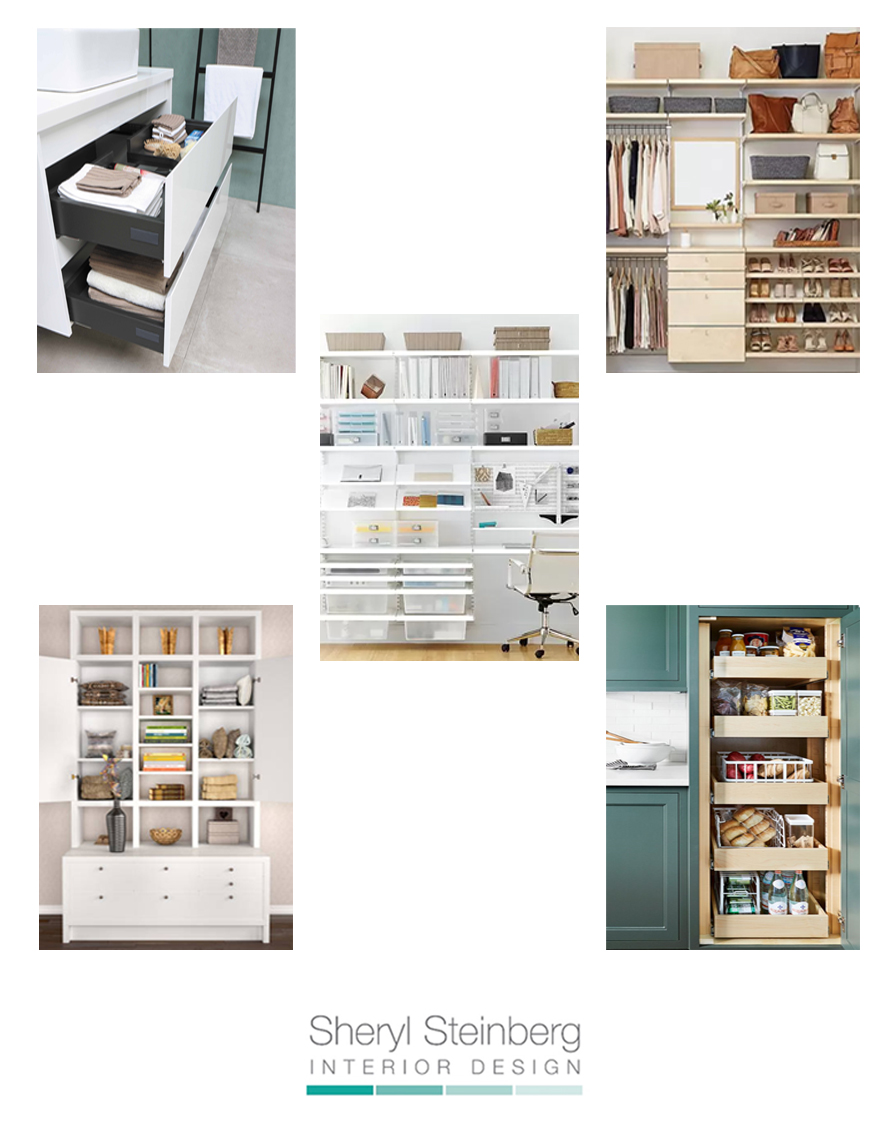
Tall cabinetry, built-ins, shelving, wall-mounted storage and thoughtfully designed closets can make use of square footage that might otherwise be overlooked.
This can be particularly valuable in smaller homes and apartments where every inch matters.
5. Design Storage Into Your Kitchen
A beautiful kitchen needs to do much more than look beautiful.
Think beyond the cabinet doors and consider how you actually cook, entertain, shop, and move through your kitchen.
Drawers, pantry systems, appliance storage, pull-outs and purpose-driven cabinetry can dramatically improve how your kitchen functions.
Kitchen storage should be planned during the design phase—not after the cabinetry is installed.
6. Make Bathroom Storage Work Harder
Bathrooms often need to accommodate a surprising number of everyday items within a relatively small footprint.
Vanity drawers, recessed medicine cabinets, niches, linen storage and concealed cabinetry can help keep necessities within reach while maintaining a calm, uncluttered environment.
The goal is to balance accessibility, function and beauty.
7. Create a Functional Entry or Drop Zone
You don’t need a large mudroom to create an effective landing place.
Even a small console, bench, wall hooks or freestanding case piece can help contain the things that otherwise migrate throughout the house.
A thoughtfully designed entry can incorporate storage for:
- Shoes, bags, coats, keys, mail
- Everyday accessories
8. Choose Furniture That Works Harder
Not all storage needs to be built in.
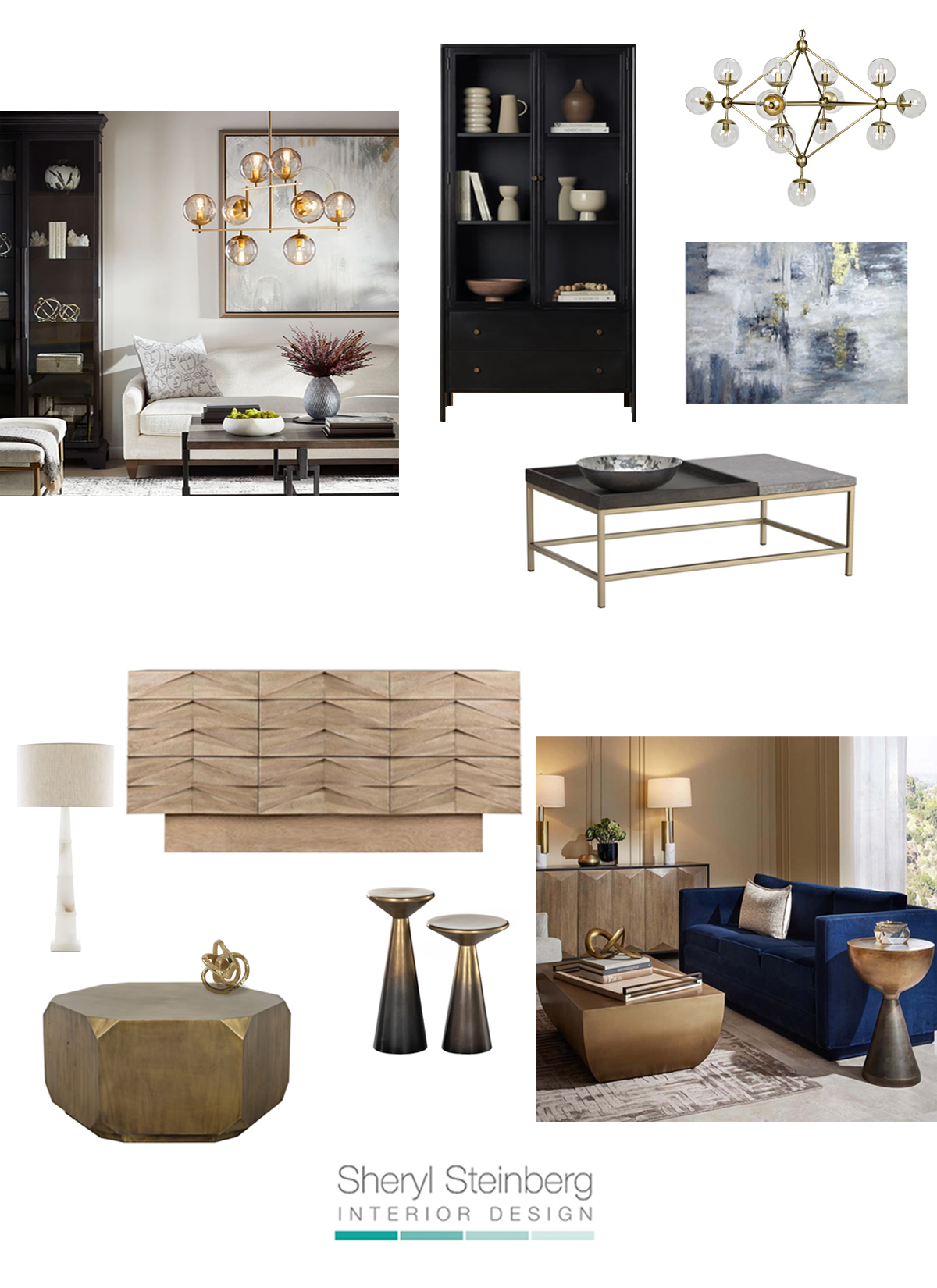
Furniture can provide valuable flexible storage while also adding character to a room.
Consider storage ottomans, consoles, benches, nightstands, freestanding cabinets and other multifunctional pieces.
This is especially useful for apartments, rental homes and smaller spaces, where permanent cabinetry may not be practical—and the furniture can move with you to your next home.
9. Balance Open and Closed Storage
Not everything needs to be hidden—and not everything needs to be displayed.
Open shelving can showcase books, artwork, ceramics and meaningful objects, while closed cabinetry conceals the everyday items that can create visual clutter.
A thoughtful combination of the two helps a home feel personal and lived-in without feeling chaotic.
10. Plan Storage Before You Remodel
A remodel is one of the best opportunities you’ll ever have to improve the way your home functions.
Before construction begins, think about what needs to be stored, where it should live, and how frequently you need to access it.
Storage decisions can affect cabinetry, walls, electrical plans, plumbing, lighting and even room layouts.
Planning these details during the design phase can create a far more functional finished home—and help avoid costly changes later.
What Makes a Home Feel Organized?
An organized home doesn’t have to be perfectly styled or completely free of belongings.
It should simply make everyday living easier.
The goal is to create spaces where you can find what you need, move comfortably through your routines, reduce unnecessary visual clutter, and enjoy being in your home.
And sometimes the solution isn’t adding another closet.
It’s looking at your space differently.
A beautifully organized home begins with thoughtful design—not more stuff
Frequently Asked Questions About Home Organization & Storage
How can I add more storage without making my home feel crowded?
Look first for underused space rather than automatically adding more furniture. Vertical cabinetry, built-ins, wall storage, concealed furniture storage and better interior cabinet organization can increase capacity without overwhelming the room.
How do I organize a small home or apartment?
Start with multifunctional furniture, vertical storage and pieces that can serve more than one purpose. Keeping frequently used items accessible while concealing less attractive necessities can also make smaller spaces feel calmer and more spacious.
Should storage be planned before a home remodel?
Yes. Storage needs should be considered during the design and space-planning phase. This allows cabinetry, built-ins, closets, electrical needs and room layouts to be designed around how you actually use the home.
Can an interior designer help with organization and storage?
An interior designer can look beyond individual organizing products to consider the entire space—layout, cabinetry, furniture, circulation, storage requirements and how the room needs to function for your lifestyle.
Is Your Home Working as Hard as It Could?
Sometimes you know a room isn’t working—but you aren’t sure what needs to change.
Perhaps your kitchen needs better storage. Your entry needs a functional drop zone. Your bathroom needs to make better use of limited space. Or several rooms simply need a fresh perspective.
That’s where professional design guidance can make a difference.
During my signature Design Strategy Consultation we’ll discuss how you live, what’s working, what isn’t, your priorities and the design challenges you’d like to solve.
Together, we can explore personalized space-planning, storage and design solutions that help your home feel more functional, more organized and more beautifully yours..
Let’s schedule a Design Strategy Consultation – available remotely anywhere you live.
Create a home that reflects the way you live—and helps you live beautifully every day.
In-Person in Bethesda, Maryland | Virtual Design Consultations Nationwide
Designing Homes for Modern Everyday Living.
An Special Note From Sheryl…
Welcome to Volume 2 of my Modern Everyday Living Guide!
- The Organized Home: Smart Storage & Design Solutions for Modern Everyday Living
This month’s guide is focused on Functional Storage Solutions – practical design ideas for creating a home that feels calmer, functions more efficiently, and makes everyday life a little easier.
Wishing you inspiration in your life & home,
Sheryl Steinberg Interior Design